

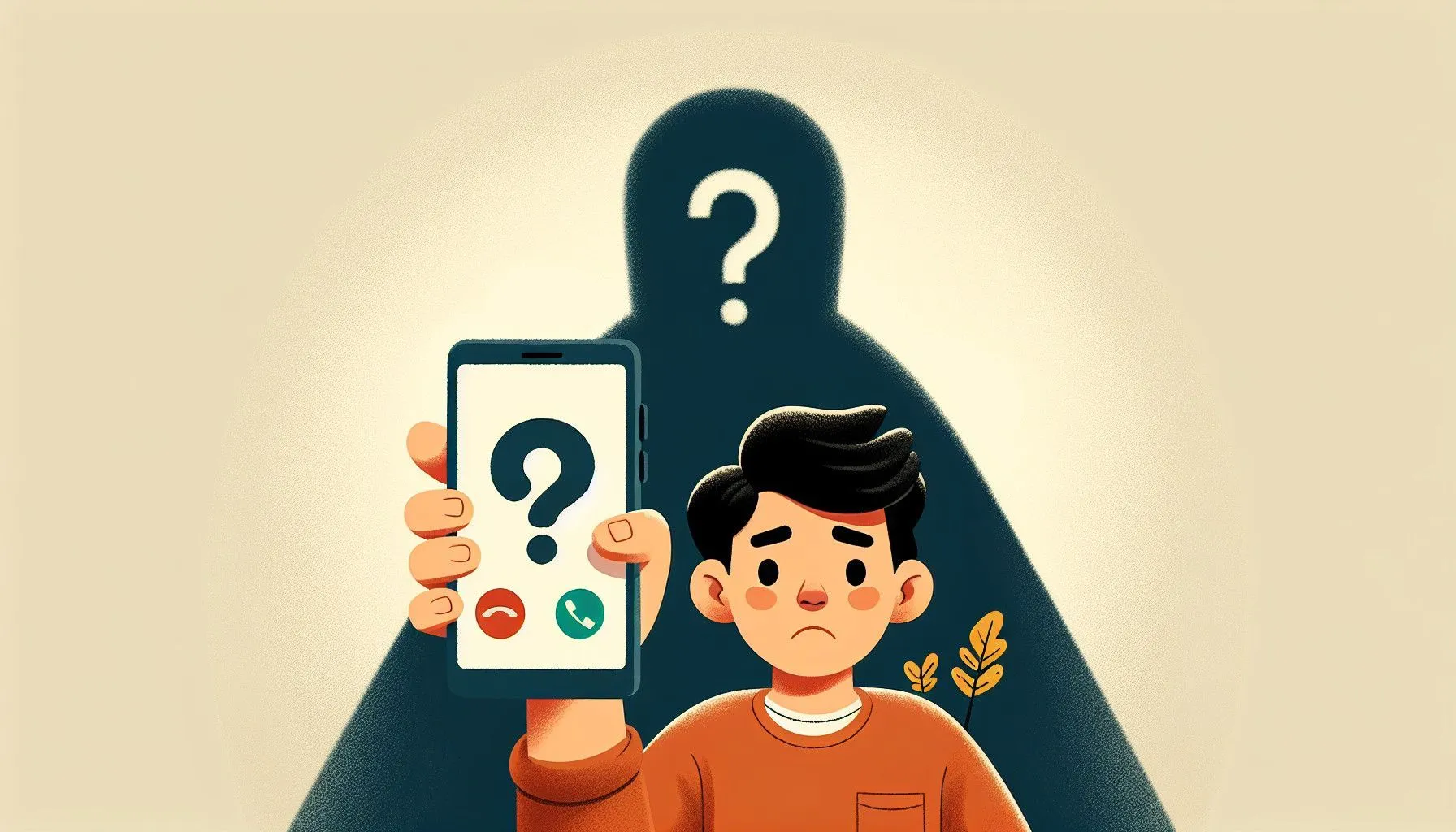
Unknown and blocked calls can be frustrating, but no app or phone code can guarantee the caller’s real identity. Caller ID can be spoofed, so verify unexpected claims through an official contact method.
Understand what “Unknown” or “No Caller ID” means
A phone may show “Unknown Caller,” “No Caller ID,” or a similar label when the number is unavailable to your device. That can happen for different reasons, including caller privacy settings or network and carrier limitations. The display alone does not tell you who is calling or why.
Also remember that caller ID can be spoofed: scammers may make a call appear to come from a different number or organization. Treat the displayed number as a clue, not proof of identity.
Ways to handle an unknown call
Let an unrecognized call go to voicemail.
If the caller has a legitimate reason to reach you, they can leave a message. Avoid sharing personal, payment, or account information with an unexpected caller.
Check with your phone provider.
Ask your carrier what call-return, call-tracing, blocking, and reporting options are available for your plan and the type of call. Codes and availability vary by provider and location; *69 is not a universal way to reveal a blocked or spoofed caller.
Use call-screening tools carefully.
Your phone, carrier, or a reputable caller-identification app may label or filter some calls. These services rely on available data and can be wrong, so do not treat an app result as verified identity.
Search a visible number with care.
A public search may show reports about a number, but listings can be outdated or inaccurate. Be wary of lookup sites that demand sensitive personal details or payment before showing basic information.
Protect yourself from phone scams
Do not trust caller ID alone.
If someone claims to represent a bank, government office, or company, hang up and contact that organization using a phone number from its official website, card, or statement.
Do not share sensitive details under pressure.
Do not give an unexpected caller passwords, verification codes, Social Security numbers, or banking details. Scammers often create urgency to get you to act before checking.
Block and report unwanted calls.
Use your device or carrier’s call-blocking features. For suspected fraud or unlawful robocalls in the United States, report the incident to the appropriate official agency, such as the FTC or FCC.
Can *69 identify an unknown caller?
Sometimes a carrier’s call-return feature can return a recent call, but it does not reliably uncover a number that was blocked, withheld, or spoofed. Feature codes differ among carriers and regions. Check with your phone provider before relying on a code or assuming it identifies the caller.
Official resources
For additional guidance, see the Federal Communications Commission’s resources on caller ID spoofing and unwanted robocalls, and the Federal Trade Commission’s advice about unwanted calls and phone scams.
Need help with a computer or phone-related security concern?
Advanced Computer Diagnostics helps homes and small businesses across Middle Tennessee with computer repair, diagnostics, and IT support by appointment. We can discuss computer and account-security concerns, but we cannot identify an anonymous phone caller for you.
Contact Advanced Computer DiagnosticsThis article provides general information, not legal, financial, or law-enforcement advice. Carrier features and agency reporting options may change; check current official guidance.